I design how people and AI work together.
I'm a researcher and human-centred technologist. I've designed an international machine-learning challenge at the IAEA, studied how people really use the tools they're given, and helped over a hundred people put AI to work in their own operations. I live in the space between a capable system and the person who has to use it.
Things I've worked on
Designing an international ML challenge at the IAEA
Turning a hard, expert-only research problem in fusion science into a public, international competition hundreds of data scientists could enter, deciding what to predict, making three very different machines' data comparable, and judging success fairly.
Read the case study →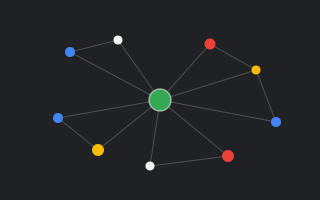
AI people put to work
Helping over a hundred managers and executives across five countries fold AI into the jobs they already had, tailored to their own work, not a generic tool demo.
Read the case study →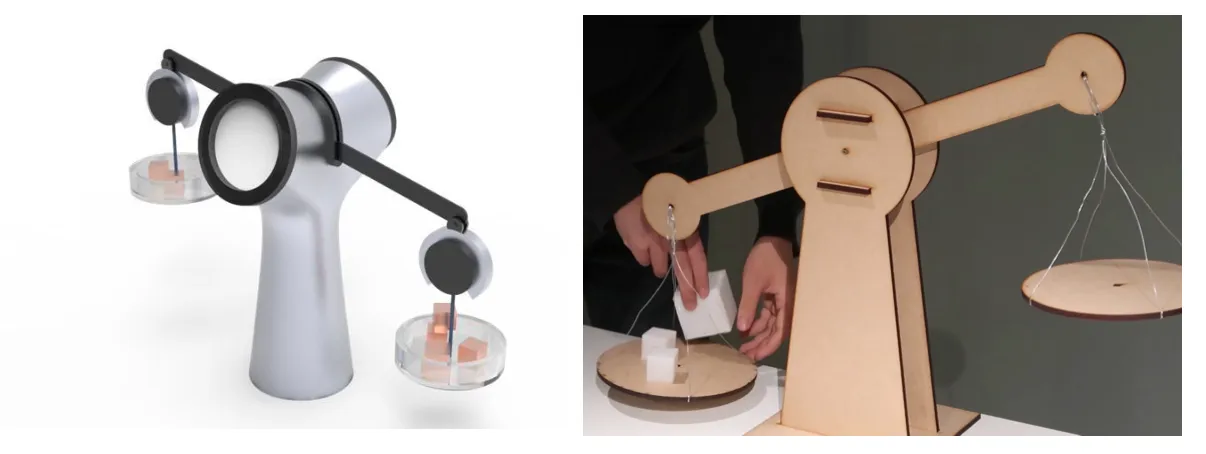
Time-Scale
Understanding why students lose whole evenings to a screen, and designing a physical "time cube" that makes time visible instead of just blocking it.
Read the case study →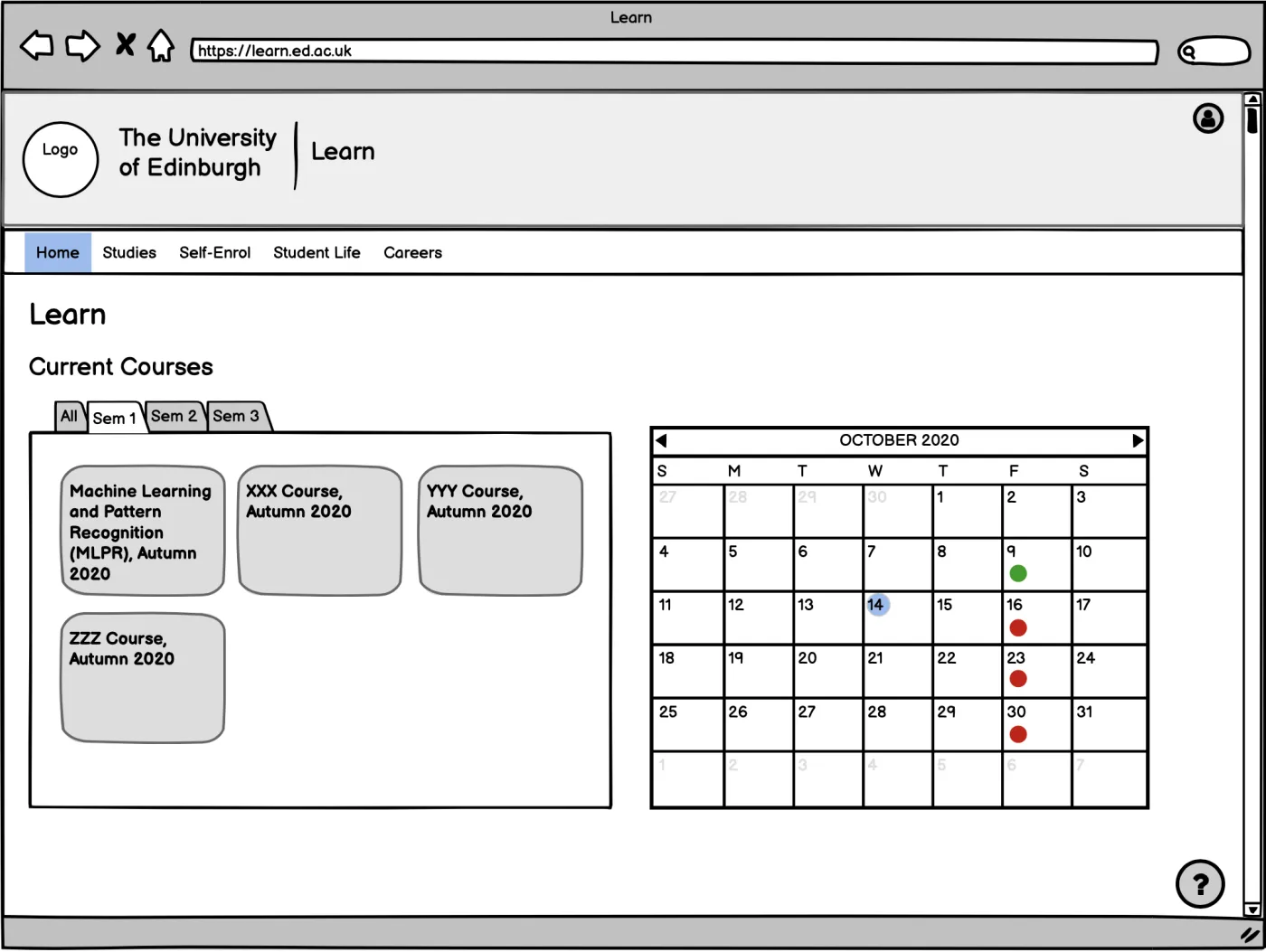
Learn 2.0
The platform every student was forced to use and quietly fought. I found where it failed them and reworked the flows that mattered.
Read the case study →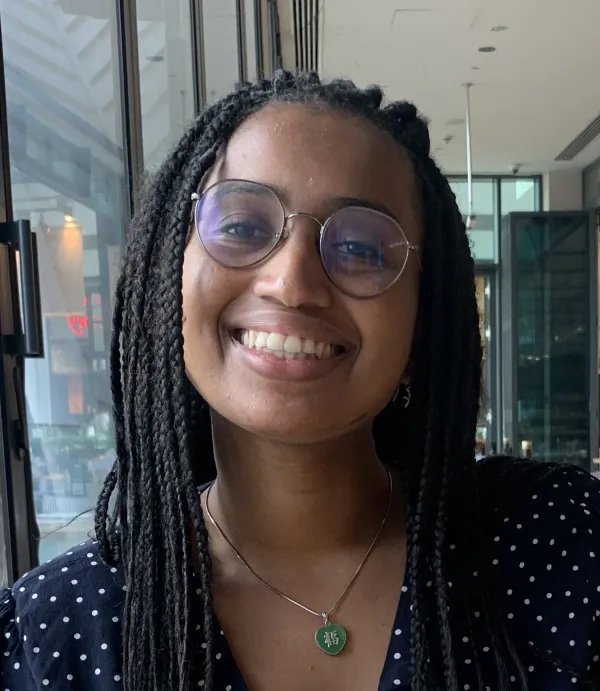
A physicist who went looking for the person in the loop.
I'm drawn to the question underneath the technology: how do people think, decide, and work with the tools we build for them? I studied mathematics and physics, then cognitive science and human-computer interaction, because I wanted to understand both sides of that meeting.
At the International Atomic Energy Agency I designed an international machine-learning challenge on fusion-disruption prediction, harmonised data from three tokamaks, and ran it publicly through ITU's AI for Good platform, where I also spoke on several panels. Since then I've worked the human side of AI: helping over a hundred people across five countries put these tools to work in their own operations, and advising a deep-tech startup on the annotation and ground-truth its first field data depended on.
What ties it together is simple. I like being where a capable system meets the person who has to use it, and making that meeting work.